
Six Sigma Continuous Improvement

Practical starting points:
- Run a simple "waste walk" — observe one process end-to-end and log every delay, rework, or unnecessary step
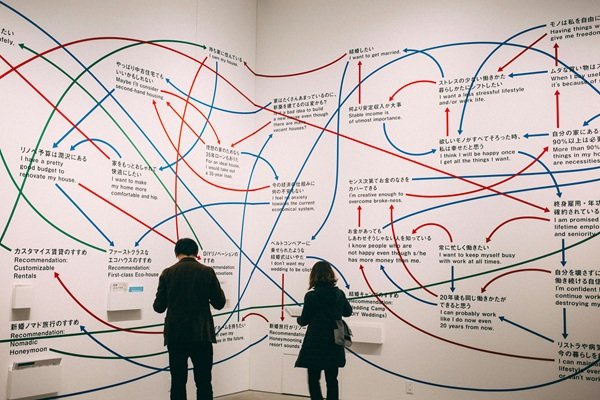
- Use a visual process map (even on a whiteboard) to make waste visible to the whole team
- Ask front-line staff where they lose the most time — they usually already know
- Track a few simple metrics (cycle time, error rate, backlog volume) before jumping to fixes
- Run a simple "waste walk" — observe one process end-to-end and log every delay, rework, or unnecessary step
- Use a visual process map (even on a whiteboard) to make waste visible to the whole team
- Ask front-line staff where they lose the most time — they usually already know
- Track a few simple metrics (cycle time, error rate, backlog volume) before jumping to fixes
Practical starting points:
- Use the "5 Whys" technique — simple, requires no training, and works well in small teams
- Build a basic fishbone (cause-and-effect) diagram for recurring issues, grouping causes by people, process, systems, and environment
- Keep a lightweight issue log to spot patterns — the same "one-off" problem happening three times a quarter is not one-off
- Involve the people closest to the problem in the root cause conversation, not just managers
- Use the "5 Whys" technique — simple, requires no training, and works well in small teams
- Build a basic fishbone (cause-and-effect) diagram for recurring issues, grouping causes by people, process, systems, and environment
- Keep a lightweight issue log to spot patterns — the same "one-off" problem happening three times a quarter is not one-off
- Involve the people closest to the problem in the root cause conversation, not just managers
Practical starting points:
- Hold short (15–30 minute) weekly team huddles to surface one small improvement idea at a time
- Set up a simple suggestion board (physical or digital) where any employee can flag an idea
- Pick one small, low-risk change per month, test it, and measure the result before scaling it
- Celebrate small wins publicly — this is what sustains the habit long-term
- Hold short (15–30 minute) weekly team huddles to surface one small improvement idea at a time
- Set up a simple suggestion board (physical or digital) where any employee can flag an idea
- Pick one small, low-risk change per month, test it, and measure the result before scaling it
- Celebrate small wins publicly — this is what sustains the habit long-term

Practical starting points:
- Adopt a simplified DMAIC structure (Define, Measure, Analyze, Improve, Control) scaled down for smaller problems
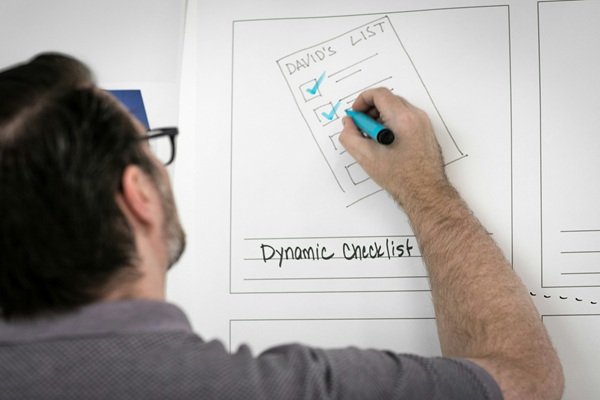
- Create a one-page problem-solving template the whole team uses, so everyone works the same way
- Standardize how issues get escalated, tracked, and closed out — even a simple shared spreadsheet works at SME scale
- Review closed problems periodically to check the fix actually held (the "Control" step is the one most often skipped)
- Adopt a simplified DMAIC structure (Define, Measure, Analyze, Improve, Control) scaled down for smaller problems
- Create a one-page problem-solving template the whole team uses, so everyone works the same way
- Standardize how issues get escalated, tracked, and closed out — even a simple shared spreadsheet works at SME scale
- Review closed problems periodically to check the fix actually held (the "Control" step is the one most often skipped)